
Cactus nursery notes · 2026
Grow a Peruvian torch
A grower's handbook for Peruvian torch (Echinopsis peruviana): how to identify it, which cutting or seed to buy, sowing, rooting, grafting, care and the law.

On the bench this week
Peruvian torch as cuttings and seed from Dutch-Smart, the only shop this site links to. Prices include Dutch VAT and come straight from the shop's catalogue.
-
Cutting 25 to 30 cm
Our first pick
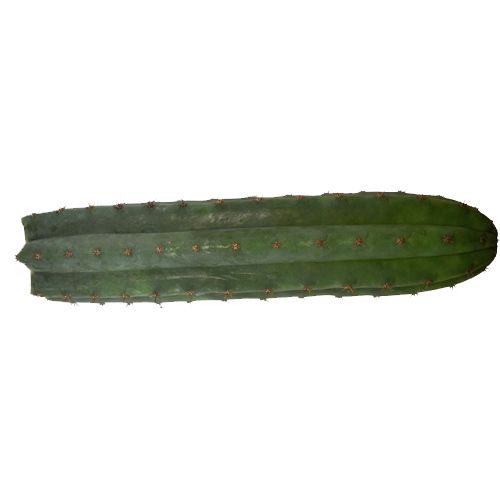
Peruvian Torch 25–30 cm - Trichocereus peruvianus
A full stem section with room to spare: root it whole, or later take a top cut and keep the base as grafting stock.
- Light Full sun once rooted
- Water Generous in summer
- Cold Winter nights 8 to 10 °C
€23.50incl. VAT Buy at Dutch-Smart -
Cutting 10 to 12 cm
Lowest cost
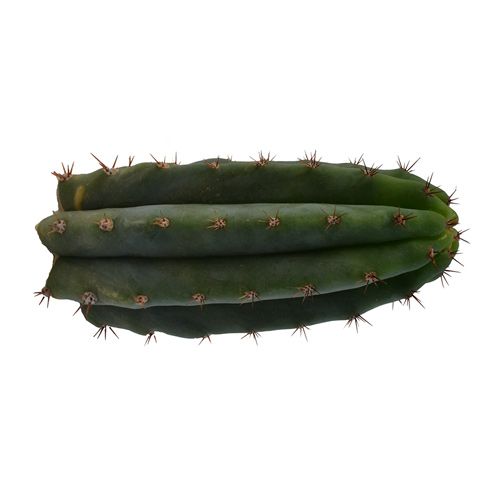
Peruvian Torch - Trichocereus peruvianus
A short stem piece. Let the cut end dry, stand it upright on gritty mix and wait for roots before you water properly.
- Light Bright, out of hard sun until rooted
- Water Barely moist until rooted
- Cold Winter nights 8 to 10 °C
€7.90incl. VAT Buy at Dutch-Smart -
Seed 20 seeds
Most plants per euro
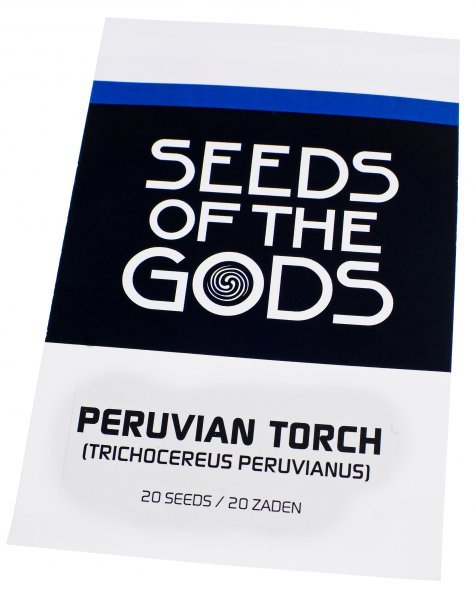
Peruvian Torch 20 seeds - Trichocereus peruvianus
Seed-grown plants each differ a little. Small seed: sow on the surface in spring and keep it humid under a cover.
- Light Bright, no direct sun
- Water Humid under a lid
- Cold Sow at about 21 °C
€5.90incl. VAT Buy at Dutch-Smart -
Sowing kit Tray, mix and seed
Easiest start from seed
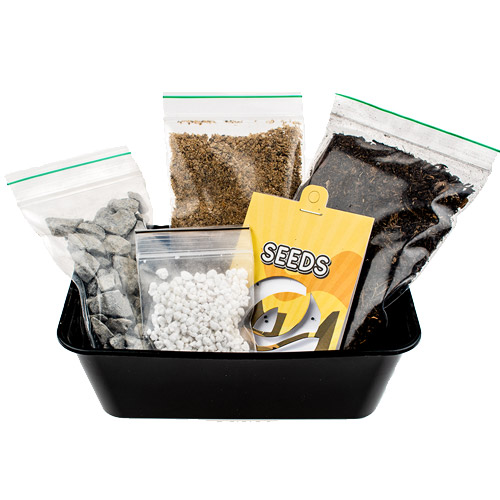
Cactus Growing Kit - Various Species
A tray with lid, cactus soil, sand, fine gravel, perlite and a seed packet. Pick the Peruvian torch option in the shop.
- Light Bright, no direct sun
- Water Humid under a lid
- Cold Sow at about 21 °C
€19.90incl. VAT Buy at Dutch-Smart
Care calendar for a potted Peruvian torch
For a plant kept in a pot in northern Europe. Based on the Royal Horticultural Society's cactus guide; the care sheet explains each row.
| Task | J | F | M | A | M | J | J | A | S | O | N | D |
|---|---|---|---|---|---|---|---|---|---|---|---|---|
| Waterwhen the surface is dry | January: no | February: no | March: some | April: yes | May: yes | June: yes | July: yes | August: yes | September: yes | October: some | November: no | December: no |
| Feedmonthly, high-potassium | January: no | February: no | March: no | April: yes | May: yes | June: yes | July: yes | August: yes | September: yes | October: no | November: no | December: no |
| Winter restcool, bright, nearly dry | January: yes | February: yes | March: some | April: no | May: no | June: no | July: no | August: no | September: no | October: no | November: yes | December: yes |
| Sow seedabout 21 °C | January: no | February: no | March: yes | April: yes | May: yes | June: some | July: no | August: no | September: no | October: no | November: no | December: no |
| Cuttings and graftswhile in full growth | January: no | February: no | March: no | April: no | May: yes | June: yes | July: yes | August: yes | September: no | October: no | November: no | December: no |
| Repotspring, one size up | January: no | February: no | March: yes | April: yes | May: some | June: no | July: no | August: no | September: no | October: no | November: no | December: no |
main time start or taper off
The Peruvian torch is a column cactus from the Andean valleys of Peru, with a blue-green, frosted skin and, on older growth, clusters of long, stout spines. Botanists now place it in Echinopsis macrogona; shops and growers mostly still sell it as Trichocereus peruvianus. It roots easily from cuttings, can be raised from seed, and is a classic grafting stock.
These care sheets cover the plant from label to windowsill. Each one links its sources.
Short answers
- Is it the same as San Pedro? Very close. Some botanists regard both as one species; the Peruvian torch is the spinier form, with three or four stout central spines up to about 5 cm on older areoles. See how to identify it.
- Cutting or seed? A cutting if you want a real plant this year, seed if you want many plants and do not mind waiting. The buying guide compares them.
- How much sun? As much as you can give it. In poor light it grows thin and pale, with fewer spines. See the care sheet.
- Can it stay outside in winter? In a pot in northern Europe, keep it dry and frost-free from November to early March.
- Is it legal? The living plant is not named in the drug laws of the Netherlands, the UK or the US; in Germany it depends on the purpose. Mescaline is controlled everywhere. Details on the law page.
Which one to choose
| You are | Start with | Why |
|---|---|---|
| New to cacti | Peruvian torch cutting, 25 to 30 cm | a mature stem that roots and grows on in its first summer |
| On a small budget | Peruvian torch cutting, 10 to 12 cm | the same plant, smaller, so it takes longer to bulk up |
| Patient and curious | Peruvian torch seed, 20 seeds | many plants, each a little different |
| Sowing for the first time | Cactus Growing Kit, Peruvian torch option | tray, lid, mix and seed in one box |
All four come from Dutch-Smart, which publishes this site. Prices on the plant tags above include Dutch VAT and come straight from the shop's catalogue.
Where to start
Start with identification if you already have a plant and want to know what it is, or with the buying guide if you are still choosing. Then follow the plant through sowing, rooting and grafting and care through the year. The mescaline and law sheet explains what laboratories have found in this species and what the law says in four countries.